

Health Savings Accounts, Expanded Bronze Plans, and What Actually Changes in 2026

TL;DR
Beginning in 2026, certain Expanded Bronze and Catastrophic plans offered through ACA marketplaces can be treated as HSA compatible, even if their benefit design would not have qualified under older IRS rules. This expands access to Health Savings Accounts for many people who previously had high deductibles but no ability to use an HSA.
This does not mean every Bronze plan is HSA eligible. Eligibility depends on the specific plan design and how it is labeled and administered by the carrier. Deductibles, out of pocket maximums, and provider networks are unchanged.
For 2026, the ACA out of pocket maximums are $10,600 for individuals and $21,200 for families. HSA contribution limits are $4,400 for self only coverage and $8,750 for family coverage, with an additional $1,000 catch up contribution allowed for those age 55 or older.
HSA funds can be used for a wide range of qualified medical expenses, including dental, vision, mental health care, acupuncture, chiropractic care, and when properly documented, certain vitamins and supplements prescribed to treat a diagnosed condition. Expenses may be reimbursed years later, provided the HSA was open when the expense was incurred and receipts are retained.
Expanded Bronze plans paired with an HSA can be a strong strategy for some people, but they are not automatically right for everyone. Plan structure and individual risk tolerance still matter.
The One Big Beautiful Bill and How It Changes Health Savings Accounts in 2026
Health Savings Accounts have existed for more than twenty years, yet for much of that time they may have proven more difficult to use for people buying their own health insurance. While HSAs have always offered strong tax advantages, eligibility rules and shifts in the individual insurance market limited who could realistically benefit from them, particularly after the Affordable Care Act reshaped plan design.
Beginning in 2026, provisions commonly referred to as the One Big Beautiful Bill change how HSAs interact with coverage purchased through the ACA marketplaces, especially at the Bronze level. These changes expand access to HSAs for many consumers, while also introducing important considerations around deductibles, out of pocket exposure, and how these plans function in practice.
To understand the impact, it helps to start with what an HSA is, how it was originally intended to work, and why the individual market drifted away from that model for more than a decade.
What a Health Savings Account Is and How It Was Intended to Work
A Health Savings Account, or HSA, is a tax advantaged savings account designed to be paired with a qualifying high deductible health plan. HSAs were created in 2003 as part of the Medicare Prescription Drug, Improvement, and Modernization Act.
The original idea was simple. If individuals were going to take on higher deductibles, they should have a dedicated way to save for healthcare costs using pre tax dollars and be rewarded for doing so responsibly. HSAs allow contributions to reduce taxable income, grow tax free, and be withdrawn tax free when used for qualified medical expenses.
Unlike flexible spending accounts, HSA balances roll over from year to year and remain the property of the account holder regardless of job or insurance changes. They were designed to support both near term medical spending and longer term healthcare planning.
HSAs in the Individual Market Before the ACA
Before the ACA took effect, HSAs were more common and often substantially cheaper in the individual market, particularly for healthier applicants who could qualify under medical underwriting.
When Joe Covell, Principal of Do It For Me Insurance, entered the health insurance business around 2011 starting as a seven dollar an hour telemarketer, HSA qualified plans were frequently priced noticeably lower than traditional individual plans. Consumers willing to accept higher deductibles were often rewarded with significantly lower premiums.
Some carriers also experimented with plan designs that no longer exist today. UnitedHealthcare, for example, offered HSA plans with diminishing deductibles, where deductibles could decrease over time if members avoided major claims. That type of incentive structure was possible because carriers could medically underwrite risk in the individual market at the time.
Why HSA Availability Declined After the ACA
The Affordable Care Act significantly changed how individual health insurance operates. Medical underwriting was eliminated, plans were standardized into metal tiers, and pricing shifted to broader community rating. All ACA compliant plans were also required to cover a standardized set of Essential Health Benefits.
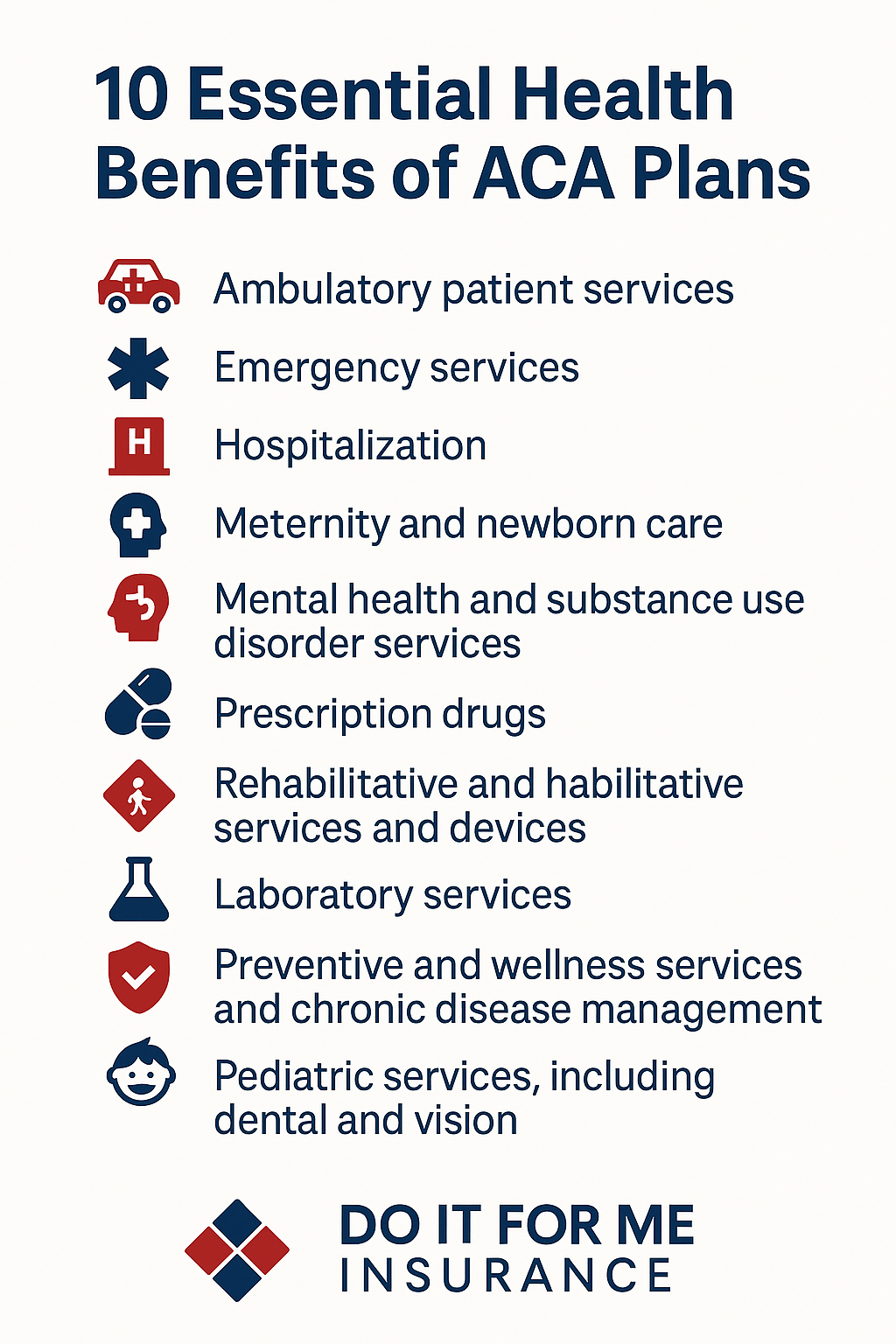
According to Healthcare.gov, ACA plans must cover the following ten Essential Health Benefits:
• Ambulatory patient services
• Emergency services
• Hospitalization
• Maternity and newborn care
• Mental health and substance use disorder services
• Prescription drugs
• Rehabilitative and habilitative services and devices
• Laboratory services
• Preventive and wellness services and chronic disease management
• Pediatric services, including dental and vision
These requirements expanded access to care but also affected plan design. Preventive services must be covered before the deductible. Prescription drugs are often structured with copays. Many Bronze plans now include set copays for specialist visits, imaging, outpatient procedures, and in some markets even inpatient services.
Under long standing IRS rules, those types of first dollar benefits were not compatible with traditional HSA plan design, even when deductibles were high. As a result, many Bronze plans exposed consumers to significant out of pocket costs without allowing them to use an HSA to manage those expenses.
What Changed Under the One Big Beautiful Bill
Beginning in 2026, certain Bronze plans offered through the ACA marketplaces are treated as HSA compatible for tax purposes, even if their design would not have qualified under prior HDHP rules.
It is important to note that not every Bronze plan automatically qualifies. Eligibility depends on how the plan is classified and offered, and confirmation should always be made with the carrier or Summary of Benefits and Coverage.
What did not change is plan design itself. Deductibles, copays, and out of pocket maximums are not reduced simply because a plan is treated as HSA compatible. What changed is that having first dollar benefits no longer automatically disqualifies certain Bronze plans from HSA treatment.
This matters because traditional HSA plans historically did not allow copays for office visits, imaging, outpatient procedures, or hospital services before the deductible. Many modern Bronze plans do. The law acknowledges that reality without forcing carriers to redesign plans.
Embedded vs Integrated Deductibles Explained
Expanded Bronze being treated as HSA compatible does not change whether a plan uses an embedded or integrated deductible. That remains a carrier specific plan design feature.
Embedded deductible plans assign each covered person their own individual deductible within the family plan. Once an individual deductible is met, the plan may begin paying for that person even if the full family deductible has not been met.
Integrated or aggregate deductible plans require the entire family deductible to be met before the plan pays benefits for anyone. Expenses from any family member count toward the same total.
This distinction matters when evaluating financial exposure and how HSA funds may be used. The Summary of Benefits and Coverage should always be reviewed.
How to Set Up an HSA Under the New Rules Step by Step
Expanded Bronze plans may be treated as HSA compatible beginning in 2026, but the HSA itself is not automatically created when you enroll in a qualifying plan.
Step 1 Confirm that your plan is HSA eligible
Confirm that your specific plan is being treated as HSA compatible under current IRS and Treasury guidance. Also confirm you meet standard HSA eligibility rules, including not being enrolled in Medicare and not having disqualifying coverage.
Step 2 Understand that the carrier may not set the HSA up for you
Carriers do not administer HSAs directly. Many are still awaiting final federal guidance and internal compliance approval. As a result, some carriers may not immediately offer HSA enrollment even if the plan qualifies.
Step 3 Decide whether to use the carrier’s vendor or your own bank
Using the carrier’s preferred HSA vendor can be convenient, but you are not required to use it. Many consumers choose independent HSA custodians for lower fees, better investment options, and long term portability.
Step 4 Open the account
HSAs can be opened directly with a bank or qualified HSA custodian. Once opened, the account remains active even if funded gradually.
Step 5 Fund the account and keep records
Contributions can be made through payroll or directly from a bank account. Contributions made outside payroll remain deductible on the tax return. Keep receipts and documentation for qualified medical expenses.
Costs and Contribution Limits for 2026
For 2026, ACA plans are capped at the following out of pocket maximums:
$10,600 for individuals
$21,200 for families
HSA contribution limits for 2026 are:
$4,400 for self only coverage
$8,750 for family coverage
$1,000 additional catch up for those age 55 or older
You do not need to contribute the full amount at once. Contributions can be made gradually throughout the year. Contributions made outside of payroll remain deductible on the tax return.
The HSA contribution limit is not tied to your deductible or out of pocket maximum. It is simply the maximum amount the IRS allows you to shelter in the account for the year, whether you spend it immediately or allow it to accumulate.
Using an HSA to Stretch Expenses Over Time
One of the most misunderstood but powerful features of an HSA is how reimbursements work over time. As long as the HSA was established before the medical expense was incurred, that expense can be reimbursed at any point in the future. There is no requirement that reimbursement occur in the same tax year as the expense, and there is no requirement that you remain enrolled in an HSA eligible plan at the time of reimbursement.
For example, if you incur $10,600 in qualified medical expenses in 2026 and choose to pay those costs out of pocket, you can reimburse yourself from the HSA gradually in later years, such as 2027, 2028, or beyond, as long as proper documentation is retained. This allows some individuals to let HSA funds grow while preserving the option to reimburse themselves later.
The HSA account remains yours even if you change insurance plans or no longer have HSA eligible coverage. The key is that the expense must have occurred after the HSA was opened and must qualify under IRS rules.
Using Supplemental Coverage Alongside an HSA
Supplemental plans such as hospital indemnity, accident, cancer, heart attack, and stroke policies are not replacements for major medical coverage. On their own, they can be risky.
They tend to work best when paired with a lower cost ACA plan to help manage high out of pocket exposure. Joe Covell personally carries a UnitedHealthcare Health Protector Guard plan alongside his ACA compliant off exchange plan as one way to reduce volatility. These plans pay cash benefits directly to the policyholder but do not alter deductibles, networks, or plan rules.
Can HSA Funds Be Used to Pay Premiums
In most cases, HSA funds cannot be used to pay insurance premiums, including ACA premiums and most supplemental coverage. Limited statutory exceptions exist, including COBRA continuation coverage, health insurance while receiving unemployment compensation, certain Medicare premiums after age sixty five, and qualified long term care insurance premiums within IRS limits.
Vitamins, Supplements, and Holistic Care
Supplements taken for general wellness are not qualified medical expenses. However, supplements may qualify when they are used to treat a specific diagnosed medical condition and properly documented by a licensed provider.
Many integrative or holistic providers diagnose conditions and recommend specific supplements as part of treatment. When a provider furnishes documentation establishing medical necessity and receipts are retained, those expenses may qualify. Responsibility ultimately rests with the account holder.
A Policy Idea That Has Been Proposed, But Not Adopted
In recent federal policy discussions, lawmakers and health policy analysts have proposed allowing Affordable Care Act premium tax credits to be used, in part, to fund Health Savings Accounts rather than being applied solely to monthly premiums. Analyses of these proposals suggested that redirecting a portion of subsidy dollars into HSAs could lower base ACA premiums by an estimated eleven percent on average while giving consumers more direct control over how those funds are used.
It is important to be clear that these proposals were discussed and modeled but were not enacted. As of now, ACA subsidies may only be used to reduce insurance premiums and cannot be deposited into an HSA. While the concept continues to appear in policy discussions, it should not be factored into current planning decisions.
The reason this idea continues to resurface is straightforward. Even with expanded Bronze and HSA compatibility, many individuals enrolled through the ACA marketplaces still face premiums and out of pocket costs that remain difficult to manage. Redirecting a portion of subsidy dollars into HSAs is viewed by some policymakers as one possible way to address that gap, but any such change would require new legislation.
Why This Matters
For years, individuals enrolled in high deductible ACA plans often lacked access to HSAs due to plan design rules. Beginning in 2026, that barrier is reduced for certain Bronze plans offered through the ACA marketplaces.
These changes expand planning options but do not eliminate cost sharing or financial risk. Coverage decisions remain highly individual and depend on health needs, cash flow, and risk tolerance. For some, a Bronze plan paired with an HSA and supplemental coverage makes sense. For others, different options may be more appropriate.